Kyoto Travel Guide for Temples, Food, and Japanese Culture
Kyoto travel guide planning usually starts with temples. That is the right place to begin, but Kyoto deserves more than a checklist of famous shrines and photo stops.
Kyoto is one of Japan’s most meaningful destinations because it blends history, beauty, food, craft, gardens, quiet lanes, tea culture, and spiritual tradition in a way few cities can match. You can start the morning at Fushimi Inari Taisha, walk through Higashiyama before the crowds build, enjoy lunch near Nishiki Market, spend the afternoon in a garden, and end the evening with a slow walk through Gion or Pontocho.
The city rewards thoughtful planning.
Kyoto can feel peaceful, crowded, elegant, spiritual, delicious, and overwhelming, sometimes all in the same day. That is why the best trip needs balance. A strong itinerary should include famous places like Kinkaku-ji, Kiyomizu-dera, Arashiyama, and Fushimi Inari, but it should also leave room for smaller streets, slower meals, quieter temples, and moments that are not planned down to the minute.
This Kyoto travel guide is built for travelers who want to experience Kyoto with structure, respect, and breathing room. It works for couples, families, solo travelers, food lovers, culture seekers, first-time Japan visitors, and anyone who wants a deeper trip than a fast pass through the highlights.
As a travel advisor, I recommend Kyoto for clients who want beauty and tradition, but I also remind them that the city is not effortless. Popular sites get crowded. Neighborhoods are spread out. Transportation requires planning. Cultural etiquette matters. The best Kyoto trips happen when travelers move with intention instead of trying to conquer the city in two days.
Use this Kyoto travel guide to choose when to go, where to stay, what to do, where to eat, what to pack, and how to build a Japan itinerary that feels memorable without becoming exhausting. Think of this Kyoto travel guide as a planning framework that helps you choose priorities before filling each day.
Why Kyoto Belongs on Your Travel List
Kyoto is one of Japan’s great cultural centers.
The city served as Japan’s imperial capital for centuries, and its history still shapes the visitor experience today. Temples, shrines, gardens, traditional wooden townhouses, tea houses, seasonal festivals, and historic districts give Kyoto a sense of depth that is hard to replicate.
A good Kyoto travel guide should make one thing clear early: Kyoto is not only about seeing the most famous temples. Those places matter, but the city becomes more rewarding when you understand how its neighborhoods, food, gardens, and cultural rhythms fit together.
Higashiyama gives travelers old streets, temple paths, shops, and classic Kyoto atmosphere. Gion and Pontocho bring dining, evening walks, traditional architecture, and the possibility of seeing Kyoto’s geiko and maiko culture from a respectful distance. Arashiyama offers bamboo, river scenery, temples, and mountain views. Fushimi is known for Fushimi Inari Taisha and sake culture. Central Kyoto gives you hotel convenience, Nishiki Market, transit access, and easy movement around the city.
That range is what makes Kyoto so special. A first visit might focus on temples, food, and classic neighborhoods. A romantic trip may lean into ryokan-style stays, gardens, kaiseki dining, and quiet evening walks. A family itinerary can include bamboo paths, markets, train rides, hands-on cultural experiences, and scenic walks. Food lovers can build the trip around tea, ramen, tofu, wagashi, matcha, izakaya, and seasonal cuisine.
This Kyoto travel guide helps you choose the version of the city that fits your trip without turning every day into a race.
What Kind of Trip Is Kyoto Best For?
Kyoto works well for travelers who want culture, beauty, food, history, and a slower kind of discovery. It is not always a simple city, but it is one of the most rewarding when planned well.
Couples
Kyoto can be a beautiful destination for couples because the city naturally creates atmosphere. A romantic trip might include a boutique hotel or ryokan, a walk through Gion, a quiet temple garden, dinner in Pontocho, and an early morning visit to a major shrine before the crowds arrive.
For couples, this Kyoto travel guide recommends choosing a hotel location that supports slow evenings. Staying near Gion, Higashiyama, Kawaramachi, or the Kamo River can make the trip feel more connected to the city’s atmosphere. A strong couples itinerary should include one major sightseeing block each day, then leave space for tea, dinner, and wandering.
Families
Kyoto can work well for families, especially when the schedule avoids too many temples in a row. Children and teens may enjoy Fushimi Inari’s torii gates, Arashiyama’s bamboo grove, train rides, food markets, gardens, and cultural activities like tea, calligraphy, cooking classes, or kimono experiences.
Family-friendly ideas include:
- Fushimi Inari Taisha
- Arashiyama Bamboo Grove
- Nishiki Market
- Kyoto Railway Museum
- Nijo Castle
- Kamo River walks
- Kyoto Aquarium
- Hands-on craft or cooking experiences
- Tea sweets and matcha stops
- Easy ramen or udon meals
A family-focused Kyoto travel guide should build variety into each day. One major temple or historic site is usually enough before adding food, shopping, gardens, or a playful experience.
Solo Travelers
Kyoto is a strong solo travel destination because it feels rewarding at your own pace. Many of the best experiences do not require a group: early morning shrine visits, quiet gardens, coffee shops, markets, museums, and evening walks.
A solo trip could include a morning at Kiyomizu-dera, lunch near Nishiki Market, an afternoon in a garden, and dinner at a counter-style restaurant. Kyoto also works well for solo travelers who want to journal, take photos, explore slowly, or add wellness and reflection into the trip.
This Kyoto travel guide recommends staying somewhere central if you are traveling alone. Downtown Kyoto, Kawaramachi, Kyoto Station, or Gion-adjacent areas make transportation, meals, and evening plans easier.
Food Lovers
Kyoto is a serious food destination.
The city offers refined dining, traditional sweets, markets, tea culture, tofu cuisine, ramen, seasonal vegetables, wagashi, matcha, kaiseki, and casual izakaya meals. Food in Kyoto often feels tied to season, place, and presentation, which makes meals part of the cultural experience.
A food-focused Kyoto travel guide should include a mix of formal and casual meals. Not every meal needs to be expensive or reserved months in advance. A bowl of ramen, a market snack, a matcha dessert, or a simple tofu lunch can be just as memorable as a special dinner.
Culture Seekers
Culture is the heart of Kyoto.
Travelers interested in temples, shrines, gardens, tea, traditional arts, architecture, craft, and seasonal rituals will find more than they can fit into one trip. Kyoto is best when cultural stops have enough time to breathe.
A culture-focused Kyoto travel guide should avoid stacking too many famous sites into one day. The temples can blur together if you move too quickly. Choose fewer places, then give each one your attention.
Best Time to Visit Kyoto
Kyoto is a year-round destination, but timing matters. Seasons change the light, crowds, colors, food, and overall feel of the city.
A practical Kyoto travel guide should help you match the season to your priorities.
Spring
Spring is one of the most popular times to visit Kyoto because of cherry blossom season. When the timing is right, the city becomes exceptionally beautiful, especially around temples, canals, parks, and riverside paths.
Spring also brings crowds and higher hotel demand. If cherry blossoms are your priority, book early and keep expectations flexible. Bloom timing changes each year, and peak dates can be difficult to predict far in advance.
Spring works well for couples, first-time visitors, photographers, and travelers who want Kyoto at its most iconic. A spring Kyoto travel guide should include early starts, flexible plans, and realistic crowd expectations.
Summer
Summer in Kyoto can be hot and humid.
The season can still work, but the trip needs a different rhythm. Plan outdoor sightseeing early in the day, use indoor breaks during the hottest hours, and build evenings around food, river walks, or seasonal events.
A summer Kyoto travel guide should include:
- Early morning temple visits
- Hydration
- Lightweight clothing
- Hotel breaks
- Shaded gardens
- Longer lunches
- Evening walks
- Indoor cultural activities
- Flexible pacing
Summer also brings major cultural events, including Gion Matsuri in July. That can be a special reason to visit, but it also affects crowds, hotels, and movement around the city.
Fall
Fall is another excellent time to visit Kyoto.
Autumn colors can be spectacular, especially at temples, gardens, mountain areas, and scenic districts like Arashiyama. The weather is usually more comfortable than summer, and the city feels especially atmospheric when the leaves change.
This Kyoto travel guide recommends fall for couples, photographers, garden lovers, and travelers who want a classic Kyoto experience with rich seasonal beauty.
Like spring, fall can be crowded. Book early and start your days before peak visitor hours.
Winter
Winter is quieter and can be beautiful in a different way.
Cold mornings, clear air, fewer crowds, warm meals, temple gardens, and the possibility of light snow can make Kyoto feel calm and elegant. Winter also works well for travelers who care less about cherry blossoms or fall leaves and more about culture, food, and atmosphere.
A winter Kyoto travel guide should focus on temples, museums, tea, hot meals, ryokan stays, shopping streets, and slower days. Pack warm layers and choose hotels that make evening meals and transportation simple.
How Many Days Do You Need in Kyoto?
Kyoto deserves more time than many travelers give it.
Two nights can work as part of a fast Japan itinerary, but it will feel limited. You can see a few major highlights, but the trip may feel rushed.
Three nights gives you a better foundation. You can explore Higashiyama, Gion, Fushimi Inari, Arashiyama, Nishiki Market, and one or two additional temples without pushing every hour too hard.
Four or five nights is ideal for many first-time visitors. That allows you to slow down, add Nijo Castle, Kinkaku-ji, a tea experience, a garden visit, and more intentional dining.
A realistic Kyoto travel guide might look like this:
- Two nights for a quick highlights visit
- Three nights for a balanced first look
- Four or five nights for a deeper Kyoto stay
- Longer if you want day trips to Nara, Uji, Osaka, or the surrounding Kansai region
For most travelers, this Kyoto travel guide recommends at least three nights. Four is better if Kyoto is one of the main reasons for your Japan trip.
Best Areas to Stay in Kyoto
Where you stay in Kyoto matters because the city’s top sights are spread across different districts. A smart Kyoto travel guide should match your hotel location to your travel style.
Downtown Kyoto and Kawaramachi
Downtown Kyoto and Kawaramachi work well for travelers who want restaurants, shopping, nightlife, transit access, and a central base.
Stay here if you want:
- Easy dining
- Shopping
- Nishiki Market access
- Pontocho nearby
- Kamo River walks
- Good transit options
- A practical first-time base
- Evening convenience
Downtown Kyoto is one of the easiest areas for first-time visitors because it keeps meals and transportation simple.
Gion and Higashiyama
Gion and Higashiyama give travelers some of Kyoto’s most classic atmosphere. This area works well if you want historic streets, temple paths, traditional architecture, evening walks, and a more romantic setting.
Stay here if you want:
- Atmosphere
- Walkability to temples
- Gion evenings
- Traditional streets
- Boutique hotels or ryokan-style stays
- A stronger sense of place
This Kyoto travel guide recommends Gion and Higashiyama for couples, culture seekers, photographers, and travelers who want Kyoto to feel close the moment they step outside.
Kyoto Station Area
The Kyoto Station area is practical, especially for travelers using trains often or taking day trips.
Stay here if you want:
- Easy Shinkansen access
- Simple luggage movement
- Day trips
- Many hotel options
- Transit convenience
- Good value in some seasons
Kyoto Station may not feel as atmospheric as Gion or Higashiyama, but it can make logistics much easier.
Arashiyama
Arashiyama is scenic and beautiful, but it is farther from many central Kyoto attractions.
Stay here if you want:
- Bamboo grove access
- River views
- A quieter pace
- Ryokan-style stays
- Scenic mornings
- A more retreat-like feeling
Arashiyama can be lovely for a slower stay, but first-time visitors may prefer to visit for the day unless they have enough time to split hotels.
Northern Higashiyama
Northern Higashiyama works well for travelers who want gardens, temples, the Philosopher’s Path, quieter streets, and access to places like Ginkaku-ji and Nanzen-ji.
Stay here if you want a calmer trip with a more residential feel. It is a better fit for repeat visitors or travelers who do not need constant nightlife nearby.
Where to Stay in Kyoto
This Kyoto travel guide keeps hotel planning practical by matching each area to a different trip style.
Value Stay: Hotel The Celestine Kyoto Gion
Hotel The Celestine Kyoto Gion offers a polished stay near Gion with a calm atmosphere and strong access to historic areas.
Choose this hotel when you want:
- Gion access
- Refined design
- Good value for the location
- A quieter hotel feel
- Easy temple and dining access
- A strong first-time Kyoto base
It works well for couples, solo travelers, and first-time visitors who want atmosphere without moving into the highest luxury tier.
Convenient Stay: Hotel Granvia Kyoto
Hotel Granvia Kyoto is located at Kyoto Station, making it one of the most convenient options for train-heavy itineraries.
Choose this hotel when you want:
- Kyoto Station access
- Easy arrivals and departures
- Day trip convenience
- Strong transportation links
- Practical comfort
- A polished business-style stay
This Kyoto travel guide recommends Hotel Granvia Kyoto for travelers who plan to visit Nara, Osaka, Uji, or other parts of Kansai during the trip.
Romantic Stay: The Shinmonzen
The Shinmonzen is a luxury boutique hotel in Gion with a refined, intimate feel.
Choose this hotel when you want:
- Romance
- Luxury
- Design
- Gion atmosphere
- A special occasion stay
- A hotel that feels deeply connected to place
This is a strong choice for couples, honeymooners, and travelers who want Kyoto to feel elegant and personal.
Ryokan-Style Stay: Hoshinoya Kyoto
Hoshinoya Kyoto offers a retreat-like experience in Arashiyama with a more immersive, quiet setting.
Choose this property when you want:
- A slower pace
- Nature
- River scenery
- Traditional hospitality
- A retreat-style stay
- A break from urban sightseeing
A ryokan-style stay can become one of the most memorable parts of a Kyoto trip, especially when the goal is rest and atmosphere.
Must-See Attractions in Kyoto
The best Kyoto trips balance major landmarks with quieter experiences. A strong Kyoto travel guide should help you prioritize rather than simply list every famous place.
Fushimi Inari Taisha
Fushimi Inari Taisha is one of Kyoto’s most iconic shrines, known for its thousands of vermilion torii gates leading up Mount Inari.
Go for:
- Torii gates
- Photography
- Shrine culture
- A memorable walk
- Early morning atmosphere
- One of Kyoto’s signature sights
This Kyoto travel guide recommends visiting early in the morning if you want a calmer experience. The lower gate areas get very crowded, while the path becomes quieter as you continue uphill.
Kiyomizu-dera and Higashiyama
Kiyomizu-dera is one of Kyoto’s most famous temples, with broad views, wooden architecture, and access to the historic streets of Higashiyama.
Go for:
- Temple views
- Historic lanes
- Shops
- Tea houses
- Photography
- Classic Kyoto atmosphere
- A strong first-day experience
Pair Kiyomizu-dera with Sannenzaka, Ninenzaka, and nearby streets, but start early if crowds matter to you.
Kinkaku-ji
Kinkaku-ji, often called the Golden Pavilion, is one of Kyoto’s most recognizable landmarks. The temple reflected in the pond is a classic Kyoto image.
Go for:
- Architecture
- Garden scenery
- Photography
- A famous Kyoto landmark
- A short but memorable visit
Kinkaku-ji is beautiful, but it can be crowded and is not near every other major site. Plan it with nearby attractions or treat it as a focused visit rather than squeezing it into an already full day.
Arashiyama Bamboo Grove
Arashiyama’s bamboo grove is one of Kyoto’s most photographed places. The area also includes temples, the Katsura River, Togetsukyo Bridge, shops, and mountain scenery.
Go for:
- Bamboo paths
- River views
- Tenryu-ji
- Scenic walks
- Photography
- A full half-day outside central Kyoto
This Kyoto travel guide recommends going early if the bamboo grove is a priority. Arashiyama becomes busy during the day, but the wider area is worth exploring beyond the most famous path.
Gion
Gion is one of Kyoto’s most atmospheric districts, known for traditional architecture, tea houses, dining, lantern-lit streets, and geiko and maiko culture.
Go for:
- Evening walks
- Architecture
- Dining
- Historic streets
- Cultural atmosphere
- Photography with respect
Visitors should be mindful here. Gion is not a stage set. Respect private property, avoid blocking streets, and never chase or photograph geiko or maiko in an intrusive way.
Nishiki Market
Nishiki Market is a lively food street in central Kyoto with snacks, shops, ingredients, sweets, pickles, seafood, tea, and kitchen goods.
Go for:
- Casual food
- Snacks
- Local ingredients
- Shopping
- Rainy-day browsing
- A low-pressure food experience
A food-focused Kyoto travel guide should include Nishiki Market, but it is best enjoyed with patience. Go hungry, walk slowly, and try a few small things rather than turning it into a rushed lunch stop.
Nijo Castle
Nijo Castle offers a different side of Kyoto, with palace buildings, gardens, historic architecture, and connections to the Tokugawa shogunate.
Go for:
- History
- Architecture
- Gardens
- A break from temple-heavy sightseeing
- A central Kyoto attraction
Nijo Castle is a smart addition when you want history without another shrine or temple.
Philosopher’s Path
The Philosopher’s Path is a scenic walking route in northern Higashiyama, especially beautiful during cherry blossom season.
Go for:
- A quiet walk
- Canal scenery
- Small temples
- Spring blossoms
- A slower Kyoto day
- Access to Ginkaku-ji and Nanzen-ji
This Kyoto travel guide recommends the Philosopher’s Path for travelers who want a softer, less rushed day.
Where to Eat in Kyoto
Kyoto is one of Japan’s most rewarding food cities.
A useful Kyoto travel guide should make food part of the itinerary from the beginning, but not every meal needs to be formal. Mix reservations with casual meals, tea breaks, market snacks, and simple bowls of noodles.
Nishiki Market
Nishiki Market is one of the easiest places to start exploring Kyoto food.
Try:
- Tamagoyaki
- Pickles
- Rice crackers
- Matcha sweets
- Grilled seafood
- Mochi
- Tea
- Seasonal snacks
Keep expectations realistic. Nishiki is popular with visitors, and some stalls are better for browsing than full meals. Go earlier in the day and be respectful of shop rules.
Pontocho
Pontocho is one of Kyoto’s best dining areas for atmosphere. The narrow alley runs near the Kamo River and includes restaurants, bars, and seasonal riverside dining options.
Choose Pontocho when you want:
- Evening atmosphere
- Dinner near the river
- Small restaurants
- A romantic setting
- Walkability from downtown
A Kyoto travel guide for couples should strongly consider Pontocho for at least one evening.
Gion Dining
Gion offers everything from refined restaurants to casual meals. It is a strong area for travelers who want dinner paired with an evening walk.
Choose Gion when you want:
- Traditional atmosphere
- Special dinners
- Quiet side streets
- A refined evening
- Easy access to Higashiyama hotels
Book ahead for higher-end meals.
Ramen, Udon, and Casual Meals
Not every Kyoto meal needs to be a major event.
Casual meals are part of the pleasure of the city. A bowl of ramen, udon, soba, curry, or simple set meal can be exactly what you need after a long sightseeing day.
A practical Kyoto travel guide should leave room for simple meals near your hotel. This keeps the trip from feeling too scheduled.
Kaiseki and Special Dining
Kyoto is known for kaiseki, a refined multi-course meal that often highlights seasonality, presentation, and balance.
Choose kaiseki when you want:
- A special occasion
- Seasonal cuisine
- Traditional service
- A deeper food experience
- A memorable evening
Kaiseki requires advance planning, and it is best when travelers understand the pace and formality of the experience.
Dining Tips for Kyoto
Food planning in Kyoto works best with a mix of structure and flexibility. Use these tips:
- Book special dinners ahead.
- Keep some meals casual.
- Try matcha sweets at least once.
- Visit Nishiki Market earlier in the day.
- Respect restaurant reservation times.
- Carry some cash for smaller spots.
- Avoid overbooking every meal.
- Leave room for tea breaks.
- Try seasonal dishes when possible.
- Ask your hotel for neighborhood recommendations.
- Plan Pontocho or Gion for one atmospheric dinner.
- Learn basic dining etiquette before you go.
Food should deepen the Kyoto experience, not turn the trip into a schedule of reservations.
Kyoto for Couples
Kyoto is one of Japan’s most romantic cities when the itinerary has room to breathe.
A couples trip could include a stay in Gion, an early morning shrine visit, a slow walk through Higashiyama, lunch near the Kamo River, a garden afternoon, and dinner in Pontocho. The setting does much of the work if you choose the right hotel area and avoid overloading the day.
This Kyoto travel guide recommends planning one meaningful daytime experience and one memorable evening each day. That structure keeps the trip elegant without making it rigid.
Kyoto for Families
Families can enjoy Kyoto when the itinerary has variety.
A family trip might include Fushimi Inari, Arashiyama, Nishiki Market, Kyoto Railway Museum, Nijo Castle, and a hands-on cultural activity. Balance temples with food, trains, shops, snacks, and open spaces.
A family-friendly Kyoto travel guide should avoid too many quiet temples in one day. Children may enjoy the first one and lose interest by the third. Build each day around contrast.
Good family planning looks like this:
- One major cultural stop
- One food or snack experience
- One active walk
- One flexible break
- One easy dinner near the hotel
Kyoto becomes easier when families plan around energy, not just famous sites.
Kyoto for Solo Travelers
Kyoto is a rewarding solo destination because the city invites quiet observation. A solo traveler can move slowly, linger in gardens, eat at counters, wake early for shrines, and adjust the day based on mood.
A solo itinerary might include Fushimi Inari before breakfast, a coffee stop, time in Higashiyama, lunch at Nishiki Market, and an evening walk along the Kamo River.
This Kyoto travel guide recommends staying central when traveling alone. Downtown, Kawaramachi, Kyoto Station, and Gion-adjacent areas make it easier to eat, explore, and return to the hotel comfortably.
Kyoto for Food Lovers
Kyoto gives food lovers a wide range of experiences, from refined kaiseki to casual noodle shops.
A food-focused itinerary should include Nishiki Market, matcha, seasonal sweets, one atmospheric dinner, and one low-key neighborhood meal. Add kaiseki if you want a formal dining experience, but do not make the whole trip too structured.
The best food trips in Kyoto often happen between major sightseeing stops. A tea break, a small sweet, or an unplanned lunch can become a favorite memory.
A food-focused Kyoto travel guide should leave space for those moments.
Kyoto for Culture Seekers
Culture seekers could spend a week in Kyoto and still have more to see.
Temples, shrines, gardens, tea houses, craft shops, seasonal festivals, traditional performing arts, and historic districts make the city deeply rewarding. The challenge is not finding culture. The challenge is choosing what to prioritize.
A culture-focused Kyoto travel guide should balance famous sites with quieter places. Visit the icons, but add smaller temples, neighborhood walks, and garden time so the trip does not feel like a crowd management exercise.
A Four-Day Kyoto Itinerary
Use this plan as a starting point. This Kyoto travel guide gives you structure, but the best version should still match your pace, season, and hotel location.
Day One: Higashiyama, Kiyomizu-dera, and Gion
Start early in Higashiyama.
Visit Kiyomizu-dera, then walk through Sannenzaka and Ninenzaka before the streets become too crowded. Take your time with shops, tea houses, and side streets, but avoid trying to see every temple in the area at once.
In the afternoon, rest at the hotel or head toward downtown for Nishiki Market if your energy is good. Spend the evening in Gion or Pontocho, with dinner planned nearby.
This is the best first day for a classic Kyoto atmosphere.
Day Two: Fushimi Inari, Nishiki Market, and Pontocho
Begin at Fushimi Inari Taisha as early as you can manage. The lower torii gate areas are busiest, so continuing farther up the path can create a calmer experience.
Afterward, return toward central Kyoto for lunch or browsing around Nishiki Market. The afternoon can stay flexible with shopping, tea, or a hotel break.
Plan dinner in Pontocho or downtown. This keeps the evening easy and atmospheric.
Day Three: Arashiyama, Bamboo Grove, and River Scenery
Make day three your Arashiyama day.
Arrive early for the bamboo grove, then visit Tenryu-ji, walk near the river, and explore the area beyond the most photographed path. Arashiyama is best when you treat it as a half-day or full-day area, not a quick photo stop.
If you want a quieter afternoon, return to the hotel and keep dinner close. If the day still has energy, add a casual downtown meal.
Day Four: Kinkaku-ji, Nijo Castle, or Northern Higashiyama
Use the final day based on your interests.
Architecture lovers may choose Kinkaku-ji. History travelers may prefer Nijo Castle. Garden lovers may enjoy the Philosopher’s Path, Ginkaku-ji, or Nanzen-ji. Food lovers may want a slower market and tea day.
This Kyoto travel guide recommends keeping the final day flexible. Kyoto is best when the trip ends with a little space, not a sprint across the city.
Travel Tips for Visiting Kyoto
The most practical Kyoto travel guide advice is to group your days by area.
Kyoto looks smaller on a map than it feels during a busy travel day. Temples, shrines, markets, and scenic districts are spread across the city, and moving between them can take time.
Use these tips:
- Start popular sights early.
- Group attractions by neighborhood.
- Avoid crossing the city repeatedly in one day.
- Stay central if it is your first visit.
- Book special dinners ahead.
- Carry cash for smaller shops and temples.
- Wear comfortable shoes.
- Respect shrine and temple etiquette.
- Keep voices low in residential areas.
- Do not photograph geiko or maiko intrusively.
- Use luggage forwarding when helpful.
- Build in hotel breaks.
- Leave time for tea and slow meals.
- Expect crowds at famous places.
- Visit quieter temples to balance busy sights.
Kyoto rewards travelers who slow down, pay attention, and respect the places they visit. Use this Kyoto travel guide as a reminder to group sights by neighborhood, start early when crowds matter, and leave space for quiet discoveries.
What to Pack for Kyoto
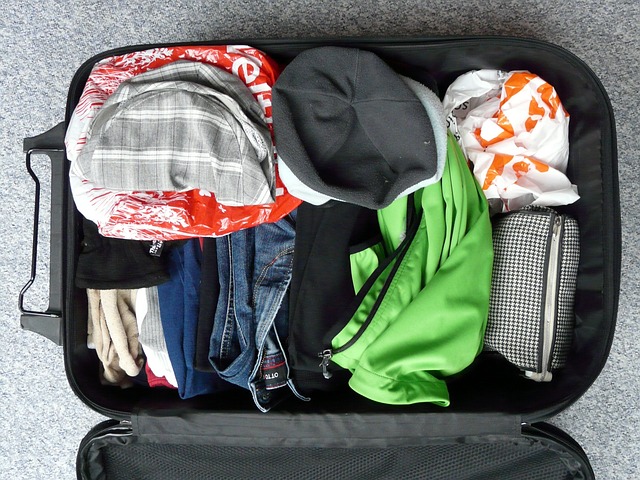
Packing for Kyoto should balance comfort, season, and respect for cultural sites.
Bring:
- Comfortable walking shoes
- Socks without holes for places where shoes come off
- Lightweight layers
- Rain jacket or umbrella
- Small day bag
- Portable charger
- Reusable water bottle
- Modest clothing for temples and shrines
- Warm layers in winter
- Breathable clothing in summer
- Cash in yen
- Coin purse
- Travel adapter
- Copies of hotel and transit details
For spring and fall, bring layers because temperatures can shift during the day. For summer, pack breathable clothes and prepare for heat and humidity. For winter, bring warm clothing, especially for early mornings and evenings.
This Kyoto travel guide recommends packing for long walking days and cultural settings. Comfort matters, but so does looking respectful in temples, restaurants, and traditional neighborhoods.
How to Use This Kyoto Travel Guide
Start with the kind of Kyoto trip you want, then build each day by area. For a couples trip, use this Kyoto travel guide to choose a hotel with atmosphere, one special dinner, one early morning temple visit, and one slow evening walk.
For a family trip, use this Kyoto travel guide to balance temples with markets, trains, snacks, hands-on activities, and easy meals.
For a food trip, use this Kyoto travel guide to mix Nishiki Market, casual ramen, matcha sweets, Pontocho dining, and one special meal.
For a culture-focused trip, use this Kyoto travel guide to prioritize temples, shrines, gardens, tea culture, and historic districts without overcrowding each day.
For a first-time Japan itinerary, use this Kyoto travel guide to decide how many nights Kyoto deserves before adding day trips or other cities.
For a first-time visit, keep the plan balanced:
- One early morning shrine visit
- One major temple district
- One market or food street
- One garden or quiet temple
- One atmospheric dinner
- One scenic neighborhood walk
- One flexible afternoon
A good Kyoto travel guide should help you experience the city with patience, not race through it.
Why Work With a Travel Advisor for Kyoto?
Kyoto looks easy to plan from a list of famous sights, but the best version of the trip depends on hotel location, season, crowd patterns, restaurant timing, cultural etiquette, transportation, and how Kyoto fits into the rest of Japan.
A couples getaway needs a different pace than a family trip. A first-time Japan itinerary should not feel like a nonstop temple checklist. A food-focused visit needs reservation timing and space for casual discoveries. A luxury trip may include ryokan stays, private guides, luggage forwarding, and carefully timed transfers.
This Kyoto travel guide gives you a strong foundation. Alicia can help turn it into a trip that fits your budget, hotel preferences, dining style, travel pace, and broader Japan itinerary.
Alicia can help with:
- Hotel selection
- Itinerary planning
- Restaurant timing
- Neighborhood strategy
- Private guides
- Cultural experiences
- Family-friendly pacing
- Ryokan planning
- Day trip coordination
- Transportation flow
- Downtime balance
For more travel planning inspiration, visit AliciaJets.com.
Final Thoughts on This Kyoto Travel Guide
Kyoto is not a city to rush.
The temples, shrines, gardens, markets, and historic streets all deserve time. The best moments may happen at the famous places, but they may also happen during a quiet tea break, a walk beside the Kamo River, a small shop conversation, or a garden visit you almost skipped.
A strong Kyoto trip does not need to include every major landmark. Choose the right hotel area, plan each day by neighborhood, add meaningful meals, start early when it matters, and leave enough room for the city to unfold. That is the real purpose of this Kyoto travel guide: helping you see more of Kyoto by trying to do less each day.
This Kyoto travel guide gives you a clean starting point. The best Kyoto getaway should match your pace, your interests, and your reason for going to Japan.
If Kyoto is calling, Alicia can help you make the most of it.
Contact Alicia at AliciaJets.com to start planning your Kyoto getaway today.