
How to Avoid Jet Lag and Adjust Quickly to New Time Zones
If you have ever found yourself awake in the middle of the night in Europe or struggling to stay alert during a morning tour abroad, you already understand the frustration of jet lag. That heavy, foggy feeling can steal the first days of a trip if you are not prepared. The good news is that learning how to avoid jet lag is far easier than most travelers realize.
With the right habits and a bit of planning, you can adjust faster, sleep better, and enjoy your destination almost immediately after arrival.
What Causes Jet Lag
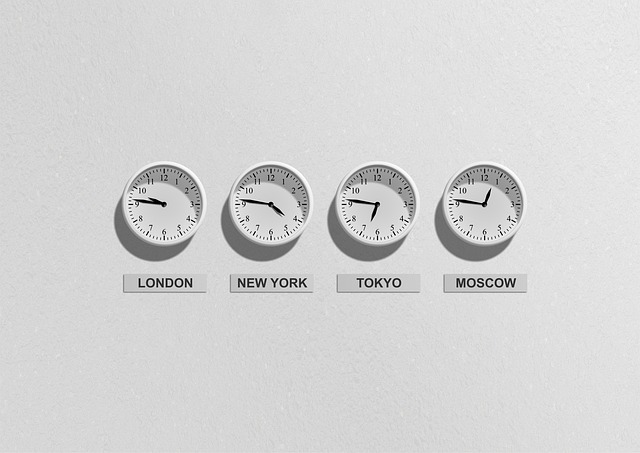
Jet lag happens when your internal body clock, also known as your circadian rhythm, falls out of sync with local time. This usually occurs when you cross two or more time zones in a short period. Your body still expects sleep, meals, and activity based on your home schedule.
The farther you travel, the harder your body must work to adjust. Eastbound flights often feel more difficult because they shorten the day, while westbound travel typically feels easier since the day is extended.
Understanding this process is the foundation of knowing how to avoid jet lag effectively.
Why Planning Ahead Matters
Jet lag is not something to fix after landing. The best results come from preparation before you leave. Travelers who plan ahead often feel noticeably better on arrival.
Adjusting sleep, hydration, and flight timing in advance can significantly reduce symptoms. These steps do not require perfection. Small, intentional changes make a real difference.
1. Choose Arrival Times Carefully
One of the most effective strategies for how to avoid jet lag is choosing flights that arrive late afternoon or early evening. This allows you to stay awake until a normal bedtime at your destination.
Arriving too early in the morning often forces travelers to stay awake far longer than their bodies can handle. A well-timed arrival helps reset your sleep cycle more naturally.
2. Shift Your Sleep Schedule Before Departure
Begin adjusting your sleep schedule several days before travel. Shift bedtime and wake time by thirty to sixty minutes each day toward your destination’s time zone.
If traveling east, go to bed earlier. If traveling west, stay up slightly later. This gradual shift helps your body transition with less resistance.
3. Stay Consistently Hydrated
Dehydration makes jet lag worse. Aircraft cabins have very dry air, which increases fatigue and headaches.
Drink water consistently before, during, and after your flight. Limiting caffeine and avoiding dehydration is a simple but powerful step in how to avoid jet lag.
4. Limit Alcohol During Travel
Alcohol disrupts sleep quality and worsens dehydration. While it may make you feel drowsy, it reduces restorative sleep.
If you choose to drink, keep it minimal and pair it with plenty of water. Better sleep equals faster adjustment.
5. Use Light Exposure to Reset Your Clock
Light is one of the strongest signals for resetting your internal clock. Exposure to daylight at your destination helps your body recognize the new schedule.
Morning light helps with eastbound travel. Afternoon light helps with westbound travel. Spending time outside after arrival is one of the most effective tools for how to avoid jet lag.
6. Be Strategic With Naps
Naps can help or hurt depending on how they are used. Short naps under thirty minutes can reduce fatigue without disrupting nighttime sleep.
Avoid napping late in the afternoon or evening. If possible, staying awake until bedtime helps reset your rhythm faster.
7. Consider Melatonin Carefully
Melatonin supplements can support sleep cycle adjustment when used correctly. Small doses taken before local bedtime for the first few nights may help.
Always consult a healthcare provider before using supplements, especially if you take other medications. Melatonin is a tool, not a solution.
8. Eat According to Local Time
Meal timing plays a role in circadian rhythm adjustment. Begin eating meals on local time as soon as possible after arrival.
Even if you are not hungry, light meals at local times help signal your body to adapt. This is a subtle but effective technique for avoiding jet lag.
9. Improve Your Sleep Environment
Quality sleep depends on the environment. Pack items that help you sleep well anywhere, such as a sleep mask, noise-canceling headphones, or a neck pillow.
Once at your hotel, use blackout curtains and white noise apps to block disruptions. Creating familiar sleep conditions helps your body rest more deeply.
10. Allow Yourself Time to Adjust
Even with preparation, some adjustment time is normal. Avoid overscheduling on arrival day. Choose light activities like walking, casual dining, or spa visits.
Being patient with yourself reduces stress and supports faster recovery.
How Smart Planning Reduces Jet Lag
Flight timing, hotel location, and itinerary pacing all affect how quickly you adjust. Travel planning plays a bigger role than many realize.
A well-designed itinerary minimizes early mornings, avoids unnecessary transfers, and allows space for rest. These choices support travelers learning how to avoid jet lag without sacrificing experiences.
Plan International Travel With Confidence
Jet lag does not need to ruin the beginning of a trip. With preparation and smart planning, you can arrive feeling alert and ready to explore.
Alicia Jets helps travelers design international itineraries that support wellness, comfort, and smooth adjustment across time zones.
Ready for Your Next Trip
Knowing how to avoid jet lag allows you to enjoy your destination from the moment you arrive. A few intentional habits can dramatically improve how you feel on long-haul journeys.
Fill out the trip inquiry form on AliciaJets.com to start planning an international trip designed for comfort, balance, and enjoyment.